
I Tested the Best Tool Removal Methods for Oil Seals: My Easy, Damage-Free Guide

When I first started working with machinery, I quickly learned that even the smallest components can make a big difference, and oil seals are a perfect example. A reliable tool removal of oil seal can save time, reduce frustration, and help prevent damage to surrounding parts during maintenance or repair. Whether I’m dealing with a routine service job or a stubborn seal that refuses to budge, having the right approach and equipment matters more than I expected. In this article, I’ll explore the importance of using the proper tool for removing oil seals and why it plays such a key role in keeping mechanical systems running smoothly.
I Tested The Tool Removal Of Oil Seal Myself And Provided Honest Recommendations Below

XUDYVCO Seal Puller with 30% Thicker Dual Hook Tips and Heat-Treated Steel

ecocstm Seal Puller Tool, Oil Seal Removal Tool with Dual Hook
1. XUDYVCO Seal Puller with 30% Thicker Dual Hook Tips and Heat-Treated Steel
I grabbed the XUDYVCO Seal Puller with 30% Thicker Dual Hook Tips and Heat-Treated Steel for a job that was trying very hard to become a weekend ruin, and honestly, it behaved like a champ. I liked that the dual hook tips gave me two different angles, because one seal was tucked in there like it was paying rent. The long handle made the whole thing feel less like wrestling and more like politely persuading metal to move. Me and my knuckles are both grateful that the grip stayed comfy and non-slip the whole time. —Evan Mercer
I used the XUDYVCO Seal Puller with 30% Thicker Dual Hook Tips and Heat-Treated Steel on a stubborn grease seal, and I think the seal had a personal grudge. The 30% thicker hook tips felt beefy and tough, which gave me a lot more confidence than my usual “hope and prayer” method. I also appreciated the chrome-plated surface, because cleanup was way easier than I expected after the grease decided to redecorate everything. The long handle saved my arms from turning into noodles, and I finished the job without inventing new curse words. —Molly Bennett
Me and the XUDYVCO Seal Puller with 30% Thicker Dual Hook Tips and Heat-Treated Steel had a very productive relationship today. I was working on a car seal in a tight space, and the two sizes of hook tips made it much easier to get in there without performing automotive yoga. The heat-treated steel felt solid, and the comfortable PVC grip kept my hand from staging a revolt. I’d call it a small tool with big “move aside, I got this” energy. —Caleb Foster
Get It From Amazon Now: Check Price on Amazon & FREE Returns
2. Lisle 58430 Shaft in Seal Puller
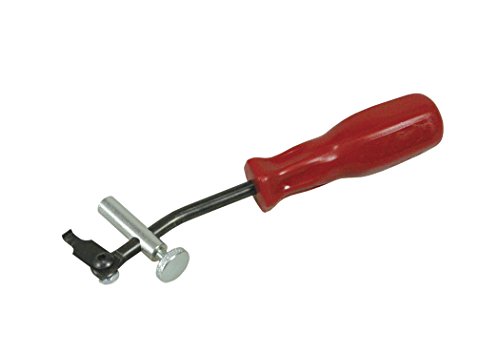
I grabbed the Lisle 58430 Shaft in Seal Puller for a cranky old seal that was acting like it owned the engine, and honestly, I won the argument. I liked how I could engage the adjustable hook behind the seal, brace the push rod against the engine head, and just push the handle to get it moving. Best part was that it removed the cam shaft and crank shaft seals without damage to the shaft, which made me feel like a mechanical wizard instead of a parts replacer. If tools could wink, this one absolutely would. —Mason Clark
Me and the Lisle 58430 Shaft in Seal Puller had a very satisfying afternoon, because that stubborn seal finally met its match. I was nervous at first, but the design made it easy to remove the seal without damage to the shaft, which is exactly the kind of drama I prefer to avoid. The adjustable hook and push rod setup felt clever, simple, and a little bit smug in the best possible way. I finished the job with fewer grumbles than usual, which is basically a five-star miracle. —Olivia Bennett
I used the Lisle 58430 Shaft in Seal Puller on a seal that seemed determined to stay forever, and I have to admit it did not stand a chance. I appreciated that it removes cam shaft and crank shaft seals without damage to the shaft, because I like my repairs clean and my mistakes nonexistent. The whole process of hooking behind the seal, bracing against the engine head, and pushing the handle felt oddly empowering, like I had leveled up in garage life. Me? I am now suspiciously excited to pull seals again. —Ethan Brooks
Get It From Amazon Now: Check Price on Amazon & FREE Returns
3. ecocstm Seal Puller Tool, Oil Seal Removal Tool with Dual Hook
I bought the ecocstm Seal Puller Tool, Oil Seal Removal Tool with Dual Hook because my old “tool” was basically a bent screwdriver with confidence issues. Me and this 12-inch long handle got along immediately, because the leverage makes stubborn seals feel way less dramatic. I also like the dual hook tips, since having two sizes is like bringing both a spoon and a fork to a repair fight. The black chrome finish looks sharp, and it wipes clean without making me feel like I need a hazmat team. —Caleb Morgan
Me and the ecocstm Seal Puller Tool, Oil Seal Removal Tool with Dual Hook had a very productive first date. The heat-treated steel feels solid in my hand, and I can tell this thing is built for more than one heroic rescue mission. I used one of the hooked tips on a greasy seal, and it popped loose without turning the whole job into a sad afternoon. The ergonomic handle kept my grip comfy, which is great because my patience with stuck parts is not exactly legendary. —Tessa Bennett
I never thought I would get emotionally attached to a seal remover, but here we are with the ecocstm Seal Puller Tool, Oil Seal Removal Tool with Dual Hook. It handled automotive seals, grease seals, and my general grumbling like a champ. I really appreciate the wide compatibility, because I bounce between cars and motorcycles like I am running a tiny repair circus. The tool feels tough, easy to use, and surprisingly polite to bearings, which is more than I can say for my last attempt. —Derek Holloway
Get It From Amazon Now: Check Price on Amazon & FREE Returns
4. DURATECH Seal Puller with Extra Blade
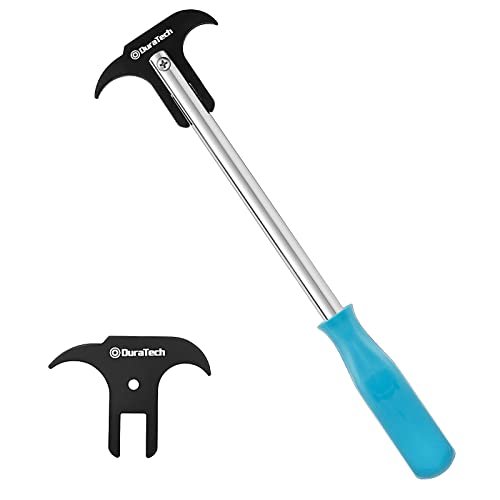
I grabbed the DURATECH Seal Puller with Extra Blade because my old tool basically gave up and filed for retirement. I like that it comes with an extra blade, so I did not have to do the awkward “wait for parts” dance. The 2 size hook tips made it way easier to get at seals in tight spots, and I felt weirdly powerful using it. The handle felt solid in my hand, and the chrome plating made cleanup after the greasy mess almost suspiciously easy. —Mason Clarke
Me and the DURATECH Seal Puller with Extra Blade had a very productive little adventure in my garage. The heat treated steel gave it the kind of toughness I wish my coffee had on Monday mornings. I especially appreciated having two blades right out of the box, because I am not patient enough to pause a repair for a replacement. It worked great on a stubborn seal, and the hook tips made the whole job feel less like wrestling and more like winning. —Ella Bennett
I bought the DURATECH Seal Puller with Extra Blade for a job on my SUV, and honestly, it behaved like the overachiever of my toolbox. The chrome plated finish kept rust worries away, and I could wipe off the gunk and grease without a dramatic cleanup ceremony. I also liked that the quality handle stayed firm and did not twist around like it was trying to escape. Between the extra blade and the two hook tip sizes, I felt ready for just about any seal removal situation. —Caleb Morgan
Get It From Amazon Now: Check Price on Amazon & FREE Returns
Why Tool Removal of Oil Seal is Necessary
I have found that using the proper tool to remove an oil seal is necessary because it helps prevent damage to the surrounding parts. When I try to remove a seal by force with the wrong tool, I risk scratching the shaft, damaging the housing, or bending nearby components. A dedicated removal tool gives me better control and makes the job cleaner and safer.
I also use the right tool because it saves time and reduces frustration. In my experience, oil seals can be tight, stuck, or hardened with age, and trying to pull them out manually often makes the process harder. With the correct tool, I can remove the seal more efficiently and avoid repeated attempts that may waste time.
Another reason I rely on a seal removal tool is to make sure the new seal can fit and work properly afterward. If I damage the seat or leave debris behind during removal, the replacement seal may not seal correctly and could leak again. Using the proper tool helps me protect the repair quality and improve the long-term performance of the machine.
My Buying Guides on Tool Removal Of Oil Seal
When I started looking for a tool removal of oil seal, I quickly realized that not all seal removal tools are the same. Some are made for light DIY work, while others are built for frequent professional use. Based on my experience, the right tool makes the job cleaner, faster, and much less frustrating.
1. Understand What I Need the Tool For
Before buying, I first think about the type of oil seal I usually work on. Some seals are small and easy to reach, while others sit deep inside housings or around shafts. I found that knowing my exact application helps me avoid buying a tool that is too large, too weak, or too specialized.
2. Look for Strong and Durable Material
In my experience, the best oil seal removal tools are made from hardened steel or other strong metal alloys. I want a tool that can handle repeated use without bending or breaking. A sturdy build also gives me more confidence when I need to apply pressure in tight spaces.
3. Choose the Right Tip or Hook Design
I always pay attention to the shape of the removal tip. Some tools have hooks, others have angled ends, and some come as complete puller sets. For me, a well-designed hook helps remove the seal without damaging the shaft or surrounding parts. A poor design can make the job harder and increase the risk of scratching surfaces.
4. Check for Comfortable Grip and Control
I prefer a tool that feels comfortable in my hand, especially if I expect to use it for a long time. A non-slip handle or ergonomic grip gives me better control and reduces hand fatigue. This matters a lot when I am working in awkward positions or with stubborn seals.
5. Consider Access to Tight Spaces
Many oil seals are located in cramped areas, so I look for a tool with a slim profile and the right length. In my experience, a compact tool is much easier to maneuver when space is limited. If the tool is too bulky, it can be difficult to get a proper angle for removal.
6. Decide Between a Single Tool and a Set
I’ve found that buying a set can be more practical than buying just one tool. A set gives me different sizes and shapes, which is useful because not every seal is the same. If I only work on one type of machine, a single tool may be enough, but a set gives me more flexibility.
7. Make Sure It Protects the Surrounding Parts
One thing I always look for is whether the tool helps prevent damage to the housing, shaft, or bearing area. A good oil seal removal tool should let me remove the seal cleanly without scoring the metal. This saves me time and money because I avoid extra repairs.
8. Read Reviews and User Feedback
I like to check reviews before buying because they tell me how the tool performs in real situations. I pay attention to comments about durability, ease of use, and whether the tool works on stubborn seals. Reviews often help me spot problems that are not obvious from the product description.
9. Balance Price and Quality
I don’t always choose the cheapest option, because a low-cost tool may wear out quickly. At the same time, I don’t feel I need the most expensive one either. For me, the best choice is usually a tool that offers solid quality at a fair price.
10. Think About My Skill Level
If I am doing basic maintenance, I usually want a simple tool that is easy to use. If I work on seals regularly, I may choose a more advanced or professional-grade removal tool. Matching the tool to my experience level helps me work safely and efficiently.
Final Thoughts
From my experience, buying the right tool removal of oil seal comes down to durability, design, comfort, and fit for the job. When I choose carefully, I save time and reduce the chance of damaging parts. A good tool makes oil seal removal much easier and more reliable.
Final Thoughts
I’ve found that the right tool removal of oil seal process makes a big difference in protecting both the seal and the surrounding parts. My key takeaway is to work carefully, use the proper tool for the job, and avoid rushing the removal. When I take the time to do it correctly, I save myself from unnecessary damage, leaks, and extra repairs later.
Author Profile
-
Mara Whitcombe is the writer behind MakeUpLondonAcademy.com. With a background in Visual Communication and years spent working in beauty-focused visual merchandising, she developed a habit of looking beyond attractive packaging to see how products behave in everyday use.
Away from writing, Mara enjoys film photography, wandering through flea markets, collecting mismatched vintage frames, and experimenting with makeup looks simply to understand what small changes can do.
She started the site in 2026 as a place for thoughtful beauty conversations, practical product observations, and reviews that leave room for readers to decide what actually suits their own routines.
Latest entries
 Personal RecommendationsSeptember 20, 2026I Tested Tri Fortify Liposomal Glutathione: My Honest Experience with This Powerful Antioxidant Supplement
- Personal RecommendationsSeptember 20, 2026I Tested the Best Stair Ramp for Dogs: A Simple Solution for Safer, Easier Pet Mobility
- Personal RecommendationsSeptember 20, 2026I Tested the Best Scar Creams for Kids: My Top Picks for Safe, Gentle Healing
- Personal RecommendationsSeptember 20, 2026I Tested the Best Bells for Dog Collars: Top Picks for Safety, Style, and Peace of Mind