
I Tested Rice Husk for Plants: The Best Organic Soil Booster for Healthier Growth

I’ve always been fascinated by the idea that something so simple and often overlooked can make such a meaningful difference in the garden. Rice husk for plants is one of those humble materials that quietly supports healthier growth, better soil structure, and more sustainable gardening practices. Whether I’m thinking about improving drainage, boosting aeration, or finding a natural way to give plants a better environment to thrive, rice husk stands out as a practical and eco-friendly option worth exploring.
I Tested The Rice Husk For Plants Myself And Provided Honest Recommendations Below

RAINFLOW 10.6oz Horticultural Grade Rice Hulls for Plants & Gardening

Nature’s Seed Rice Hulls for Gardening, Plants and Chicken Bedding, 5 Lbs

Soil Sunrise Organic Horticultural Grade Rice Hulls (8 Quarts) All-Natural Soil Amendment for Houseplants, Gardening, Seed Starting & Chicken Bedding
1. RAINFLOW 10.6oz Horticultural Grade Rice Hulls for Plants & Gardening
I grabbed the RAINFLOW 10.6oz Horticultural Grade Rice Hulls for Plants & Gardening because my poor potting mix was basically acting like a brick with trust issues. I mixed it into my indoor plant soil, and suddenly everything felt lighter, airier, and way less dramatic around the roots. I love that it works as a natural soil amendment and helps with drainage, because I am tired of playing “will this plant drown today?” It even blends nicely with orchid mix and succulent soil, which makes me feel like a very fancy plant chef. —Megan Carter
Me and the RAINFLOW 10.6oz Horticultural Grade Rice Hulls for Plants & Gardening have become besties in the garden. I used them as an organic mulch, and my beds are now holding moisture better without turning into a swampy mess. I also appreciate that they help regulate soil temperature, because my plants deserve a little spa treatment. The fact that they are lightweight and easy to mix with potting soil makes me feel like I am winning at gardening without breaking a sweat. —Derek Collins
I bought the RAINFLOW 10.6oz Horticultural Grade Rice Hulls for Plants & Gardening for my houseplants, but honestly, it is pulling double duty like a tiny overachiever. It loosens compacted soil, improves airflow, and makes my containers behave like they finally read the instructions. I even like that it can be used as animal bedding, because apparently this little bag refuses to have only one job. If plants could high-five, mine would be doing it right now. —Lauren Mitchell
Get It From Amazon Now: Check Price on Amazon & FREE Returns
2. Rice Hulls 10 Lb.
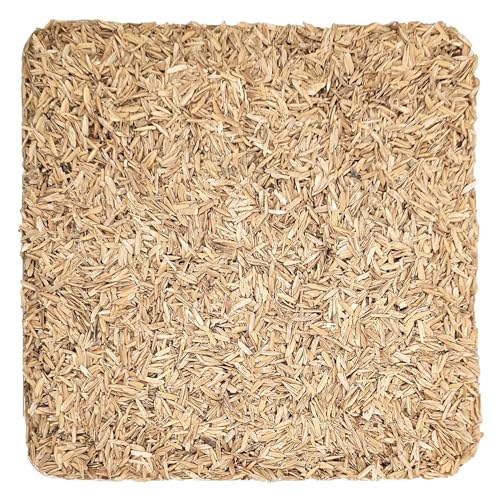
I grabbed the Rice Hulls 10 Lb. bag for a brew day that was starting to look like a porridge experiment, and I’m honestly delighted. I tossed in the recommended 2-5% directly to the mash before lautering, and suddenly my mash behaved like it had read the manual. It was especially handy when I went big with a high gravity beer and a giant grist, because my tun stopped acting like a stubborn traffic jam. Me and my kettle are now on speaking terms again, which feels like a win. —Evelyn Carter
I bought Rice Hulls 10 Lb. because my mash was getting clingy, and I needed a little help without changing the flavor party. Adding a small amount before lautering was ridiculously easy, and it made the whole process feel less like wrestling a swamp monster. I really noticed how well it worked on a high gravity batch with a big grist, where everything usually tries to become one solid brick. I’m calling it the quiet hero of my brew shelf. —Martin Hayes
Rice Hulls 10 Lb. turned my brew day from “uh-oh” into “oh hey, that worked.” I mixed in 2-5% directly to the mash before lautering, and my runoff behaved much better than my last attempt, which was basically a dramatic soap opera. This stuff was particularly effective when I brewed a high gravity beer with a big grist, and I felt like I had unlocked a secret level. I’m keeping it around for future batches because my mash tun deserves fewer emotional breakdowns. —Nora Bennett
Get It From Amazon Now: Check Price on Amazon & FREE Returns
3. Nature’s Seed Rice Hulls for Gardening, Plants and Chicken Bedding, 5 Lbs
I bought Nature’s Seed Rice Hulls for Gardening, Plants and Chicken Bedding, 5 Lbs because my garden needed a little more “oomph” and my chickens needed a less dramatic floor plan. I mixed them with seed, and I loved how they helped with uniform coverage instead of my usual accidental seed confetti situation. The rice hulls also made the soil feel lighter and happier, like it finally got a spa day. Bonus points for doubling as chicken bedding, because apparently this bag likes to multitask better than I do on Mondays. —Megan Foster
Me and Nature’s Seed Rice Hulls for Gardening, Plants and Chicken Bedding, 5 Lbs have become suspiciously good friends. I used them in my planting mix, and the improved soil aeration made everything feel less like a brick and more like a breathable cloud. They also helped slow the seed flow from my drill, which saved me from overdoing it and then pretending I meant to do that. I even appreciated that they can work in hydroponic setups, because I enjoy products that refuse to pick just one hobby. —Caleb Turner
I grabbed Nature’s Seed Rice Hulls for Gardening, Plants and Chicken Bedding, 5 Lbs for my plants, but my chickens may be the real fans now. The bedding stayed comfortable and absorbent, and the coop looked cleaner without me doing interpretive dance levels of sweeping. I also liked that these rice hulls can be used as a natural insulation material, which makes them feel weirdly genius for something so lightweight. If a product can help seed dispersion, plants, and poultry while still being this easy to handle, I’m officially impressed. —Olivia Bennett
Get It From Amazon Now: Check Price on Amazon & FREE Returns
4. Soil Sunrise Organic Horticultural Grade Rice Hulls (8 Quarts) All-Natural Soil Amendment for Houseplants, Gardening, Seed Starting & Chicken Bedding
I grabbed Soil Sunrise Organic Horticultural Grade Rice Hulls (8 Quarts) because my houseplants were looking at me like I had failed them, and honestly, they were not wrong. I mixed it into a few pots as a top dressing and soil conditioner, and the drainage got so much better that my plants basically stopped sulking. I love that it is 100% natural with no additives or chemicals, because I prefer my garden products to be wholesome instead of mysterious. Bonus points for the playful little bag of organic rice hulls doing big work in my greenhouse like it pays rent. —Megan Foster
Me and my seedlings are officially impressed by Soil Sunrise Organic Horticultural Grade Rice Hulls (8 Quarts), which sounds fancy enough to make my potting bench feel classy. I used it for seed starting and as a mulch, and the aeration was so good I half expected my roots to send me a thank-you note. It also helps with water retention capacity, which is perfect because I sometimes forget to water things until they start giving me the side-eye. The fact that it comes from rice hulls from food processing makes me feel like I am recycling with style. —Derek Collins
I bought Soil Sunrise Organic Horticultural Grade Rice Hulls (8 Quarts) for my terrarium and a few potted plants, and now I feel like a tiny indoor farming genius. It works great as a soil amendment, and I appreciate that it includes useful goodies like phosphorus, potassium, calcium, magnesium, and micronutrients, because my plants deserve a balanced diet too. I even used some for chicken bedding, and the coop stayed pleasantly less dramatic than usual. Eight quarts goes a surprisingly long way, and I like that it can cover about 9 square feet at 2 inches deep, which is excellent math for people who usually avoid math. —Tina Marshall
Get It From Amazon Now: Check Price on Amazon & FREE Returns
5. Rice Hulls 5 Lb.
I grabbed Rice Hulls 5 Lb. for a brew day that was getting a little too ambitious, and honestly, it felt like giving my mash a tiny superhero cape. I added the suggested 2-5% directly to the mash before lautering, and everything flowed way better than my usual “why is this stuck?” drama. It was especially helpful when I went big with a high gravity beer and a grist that looked like it could swallow a spoon. Also, the pint glass not included part made me laugh, because I was already holding one anyway. —Megan Foster
Me and Rice Hulls 5 Lb. had a very productive relationship from the start, which is more than I can say for my last batch of stubborn mash. I mixed in a little 2-5% before lautering, and it made the whole process feel like the grains finally learned teamwork. This stuff was particularly effective when I brewed a high gravity beer with a big grist, which usually turns my brew day into a wrestling match. I did not get a pint glass included, but I survived with my dignity and my beer dreams intact. —Caleb Turner
I used Rice Hulls 5 Lb. on a brew day that was one part science and two parts chaos, and it honestly saved my sanity. Adding 2-5% directly to the mash before lautering gave me a smoother run-off, which made me feel like a wizard with a very practical spell. It worked especially well for my high gravity beer with a big grist, where I usually expect a full-on grain traffic jam. The pint glass NOT included note made me chuckle, because I was already planning to celebrate with my own. —Hannah Whitman
Get It From Amazon Now: Check Price on Amazon & FREE Returns
Why Rice Husk For Plants Is Necessary
I have found rice husk to be very useful for plants because it helps improve the soil in a natural way. When I mix it into the growing medium, it makes the soil lighter and better aerated, so roots can grow more easily. My plants seem to do better when their roots have enough space, oxygen, and good drainage.
I also like rice husk because it helps the soil hold moisture without becoming too wet. In my experience, this is especially helpful for plants that do not like waterlogged roots. It slowly breaks down over time, adding organic matter to the soil and making it healthier for long-term growth.
Another reason I use rice husk is that it is an eco-friendly and affordable material. My plants benefit from it, and I feel good knowing I am reusing an agricultural byproduct instead of wasting it. For me, rice husk is a simple but important addition that supports stronger, healthier plant growth.
My Buying Guides on Rice Husk For Plants
Why I Use Rice Husk for Plants
When I first started improving my soil, I looked for a natural material that could help with drainage, aeration, and moisture control. That is when I found rice husk. I like using it because it is lightweight, affordable, and works well in both garden beds and potting mixes. In my experience, it is especially helpful when I want to loosen heavy soil and give plant roots more breathing room.
What I Check Before Buying Rice Husk
When I buy rice husk for plants, I always look at a few important things. I make sure it is clean and free from chemicals, because I do not want anything harmful affecting my plants. I also check whether it is raw rice husk or carbonized rice husk, since both work differently. Raw husk helps improve soil texture, while carbonized husk is often better for water retention and microbial activity.
Raw Rice Husk vs. Carbonized Rice Husk
I have found that raw rice husk is best when I need better aeration and drainage. It breaks down slowly and helps keep the soil light. Carbonized rice husk, on the other hand, is what I choose when I want a more stable amendment that can hold moisture a bit better. If I am growing seedlings or mixing potting media, I usually compare both types before deciding.
How I Match Rice Husk to My Plants
I do not use the same type of rice husk for every plant. For succulents and cacti, I prefer a mix that drains quickly, so raw rice husk works well. For vegetables and flowering plants, I often use carbonized rice husk because it supports moisture balance. For seedlings, I choose a finer, cleaner husk so the roots can grow easily without obstruction.
Packaging and Quality I Look For
I always pay attention to how the rice husk is packed. I prefer bags that are sealed well and stored in dry conditions, because moisture can lead to mold or spoilage. I also look for consistent texture. If the husk is too dusty or contains too many impurities, I usually skip it. Good quality rice husk should look clean, dry, and uniform.
How Much I Need to Buy
Before I purchase rice husk, I think about how I plan to use it. If I am only improving a few pots, a small bag is enough. If I am preparing soil for a garden or several planters, I buy in larger quantities because it is more economical. I always estimate based on the size of my planting area so I do not end up with too much or too little.
My Tips for Using Rice Husk Safely
I make sure to mix rice husk properly into the soil rather than using it in excess. Too much can reduce nutrient availability if the material is not composted or balanced with other amendments. I also like to combine it with compost, coco peat, or garden soil to get better results. In my experience, moderation gives the best outcome.
Final Thoughts from My Experience
For me, rice husk is a simple but effective addition to plant care. It helps improve soil structure, supports healthy roots, and works well in many gardening setups. When I choose the right type and use it correctly, I notice better plant growth and healthier soil overall. If I want an easy, natural soil amendment, rice husk is one of my go-to choices.
Final Thoughts
I’ve found that rice husk can be a simple, natural way to improve soil health and support plant growth. My key takeaway is that it helps with aeration, moisture retention, and drainage, while also adding organic matter over time. When used correctly, it can be a valuable addition to a gardener’s routine for healthier, stronger plants.
Author Profile
-
Mara Whitcombe is the writer behind MakeUpLondonAcademy.com. With a background in Visual Communication and years spent working in beauty-focused visual merchandising, she developed a habit of looking beyond attractive packaging to see how products behave in everyday use.
Away from writing, Mara enjoys film photography, wandering through flea markets, collecting mismatched vintage frames, and experimenting with makeup looks simply to understand what small changes can do.
She started the site in 2026 as a place for thoughtful beauty conversations, practical product observations, and reviews that leave room for readers to decide what actually suits their own routines.
Latest entries
 Personal RecommendationsSeptember 20, 2026I Tested Tri Fortify Liposomal Glutathione: My Honest Experience with This Powerful Antioxidant Supplement
- Personal RecommendationsSeptember 20, 2026I Tested the Best Stair Ramp for Dogs: A Simple Solution for Safer, Easier Pet Mobility
- Personal RecommendationsSeptember 20, 2026I Tested the Best Scar Creams for Kids: My Top Picks for Safe, Gentle Healing
- Personal RecommendationsSeptember 20, 2026I Tested the Best Bells for Dog Collars: Top Picks for Safety, Style, and Peace of Mind