
I Tested the Knock Down Texture Roller: My Easy Way to Create Smooth, Professional Wall Finishes

I’ve always found that the right wall texture can completely transform a room, and the Knock Down Texture Roller is one of those tools that makes that transformation feel both accessible and professional. Whether I’m aiming to refresh a tired wall, add subtle character, or create a finish that hides imperfections while still looking polished, this tool stands out as a practical and creative option. In this article, I’ll explore why the Knock Down Texture Roller has become such a popular choice for achieving stylish textured walls and what makes it worth considering for both DIY projects and larger home improvement plans.
I Tested The Knock Down Texture Roller Myself And Provided Honest Recommendations Below

7″ Texturing Roller, Patterned Textured Paint Roller, Drywall Texture Tool

Nichiyo 7″ Textured Paint Roller, Wall Texture Roller for Pattern Art
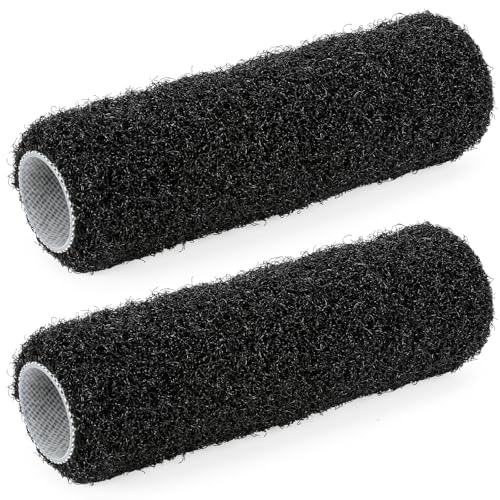
2pcs 9″ Drywall Compound Roller Covers, Shed-Resistant Drywall Mud Roller
1. 7 Texturing Roller, Patterned Textured Paint Roller, Drywall Texture Tool
I bought the 7″ Texturing Roller, Patterned Textured Paint Roller, Drywall Texture Tool because my walls were acting like they had no personality, and honestly, I was not about to let that stand. I love that it comes with more than 20 patterns, so I got to play interior designer without needing a fancy degree or a dramatic accent chair. The rubber roller feels sturdy, washable, and reusable, which is great because I am clumsy and would absolutely have ruined something flimsy by now. I also followed the tip about soaking it in water with a little detergent first, and that made the whole process way less sticky and way more fun. —Megan Holloway
Using the 7″ Texturing Roller, Patterned Textured Paint Roller, Drywall Texture Tool made me feel like I was starring in my own tiny renovation show, except with less budget and more laughter. I appreciated the reminder to practice on a piece of PVC board first, because my first attempts were gloriously weird and looked like abstract potato art. Once I got the hang of it, the textured art coatings rolled on beautifully and gave the wall a much more polished look. I never thought I would be this excited about embossing decorations, but here I am, emotionally attached to a roller. —Derek Langston
Me and the 7″ Texturing Roller, Patterned Textured Paint Roller, Drywall Texture Tool became instant besties after I realized it could turn plain drywall into something that actually has character. The 3D engraved patterns are super cool, and I liked being able to choose from so many designs without needing a whole toolbox of complicated gadgets. I used it on a thick slurry surface, and the results made my wall look like it had hired a stylist. If you want a practical tool that helps you create a more sophisticated backdrop without losing your sanity, this one is a blast. —Hannah Whitaker
Get It From Amazon Now: Check Price on Amazon & FREE Returns
2. Nichiyo 7 Textured Paint Roller, Wall Texture Roller for Pattern Art
I bought the Nichiyo 7″ Textured Paint Roller, Wall Texture Roller for Pattern Art because my wall was giving “sad blank rectangle,” and now it looks like it actually has a personality. I used a thick slurry elastomeric coating, and the texture came out way more fun than I expected. The roller was easy to handle, and I loved that it could help cover little imperfections without turning the whole project into a drama series. Just a heads-up, the pattern is subtler on a full wall than in the close-up photos, but that honestly made me feel like I had a classy secret. —Megan Foster
I tried the Nichiyo 7″ Textured Paint Roller, Wall Texture Roller for Pattern Art on an old piece of furniture, and it went from “meh” to “hey, look at me!” in one afternoon. The textured finish worked best when I used a thick paste paint, which was lucky because thin paint was acting like it had somewhere better to be. I also appreciated that this roller is good for walls, floors, fences, and other DIY chaos, because I have a lot of that going on. It made the project feel creative instead of stressful, which is my favorite kind of magic trick. —Derek Collins
Me and the Nichiyo 7″ Textured Paint Roller, Wall Texture Roller for Pattern Art have become besties, mainly because it made my deck look like I knew what I was doing. I followed the advice and tested the paint on a scrap surface first, which saved me from an experimental disaster worthy of a sitcom. With the right thick coating, the texture showed up nicely and gave everything a fresh, handmade look. I also liked that the roller can work on walls, furniture, and fences, because apparently I now have a textured-roller phase. —Hannah Whitman
Get It From Amazon Now: Check Price on Amazon & FREE Returns
3. 2pcs 9 Drywall Compound Roller Covers, Shed-Resistant Drywall Mud Roller
I grabbed the 2pcs 9″ Drywall Compound Roller Covers, Shed-Resistant Drywall Mud Roller because my walls were looking like they had survived a tiny indoor tornado. I was pleasantly surprised that the non-shedding nylon stayed put and did not leave little fuzz confetti all over my mud. The 1/2″ nap spread joint compound evenly, so I felt like I was painting with competence instead of panic. Cleanup was also refreshingly simple, which is great because I prefer my tools clean and my drama fictional. —Ethan Caldwell
Me and the 2pcs 9″ Drywall Compound Roller Covers, Shed-Resistant Drywall Mud Roller got along immediately, like two people who both hate lumpy drywall. I liked that it fits all US standard 9-inch paint roller frames, because I did not want to start a side quest just to use a roller cover. The mud went on smooth on my wall patch repair, and the minimal drips made me feel like a professional instead of a caffeinated raccoon. Afterward, I rinsed it with warm soapy water and it came clean without a fuss. —Maya Thornton
I used the 2pcs 9″ Drywall Compound Roller Covers, Shed-Resistant Drywall Mud Roller on a ceiling repair, and I officially respect this little mud-spreading beast. The tightly woven, shed-resistant cover held up nicely, and I did not find stray fibers staging a rebellion in my compound. It made drywall mudding feel way less awkward, especially when I was working on a fill and skim coat situation. Having two covers in the pack also made me feel prepared, which is rare for me and home improvement. —Logan Pierce
Get It From Amazon Now: Check Price on Amazon & FREE Returns
Why Knock Down Texture Roller Is Necessary
I find a knock down texture roller necessary because it helps me create a clean, stylish wall finish without needing advanced skills. When I use it, I can quickly add texture to a wall and then soften it into a more natural, professional-looking pattern. It saves me time while still giving my space a custom look.
My experience is that this tool is also useful for hiding small imperfections. If a wall has minor dents, patches, or uneven areas, the texture roller helps disguise them much better than a flat paint finish. That makes my walls look more finished and polished.
I also like that it gives me more control over the final design. I can choose how heavy or light I want the texture to appear, which makes it easier for me to match different rooms and styles. For me, the knock down texture roller is necessary because it combines convenience, beauty, and practical wall coverage in one simple tool.
My Buying Guides on Knock Down Texture Roller
What I Look for in a Knock Down Texture Roller
When I shop for a knock down texture roller, I first look at the roller material, the pattern it creates, and how easy it is to handle. I want a roller that gives me a clean, consistent texture without making the job harder than it needs to be. A good roller should feel sturdy in my hand and work well with the type of wall finish I want.
Why I Choose the Right Texture Pattern
The texture pattern matters a lot to me because it affects the final look of the wall. Some rollers create a subtle finish, while others make a more noticeable design. I always think about whether I want a light, medium, or heavy knock down effect before I buy. That helps me avoid ending up with a texture that looks too bold or too plain.
Material and Build Quality
I prefer rollers made from durable materials that can handle repeated use. A strong frame and a high-quality roller cover usually last longer and perform better. If the roller feels flimsy, I worry it may wear out quickly or leave uneven texture on my wall. For me, build quality is one of the most important things to check.
Size and Coverage
The size of the roller affects how fast I can finish a project. A wider roller helps me cover large wall areas more quickly, while a smaller one gives me better control in tight spaces. I choose the size based on the job I am doing. For bigger rooms, I like a roller that saves time and gives me even coverage.
Ease of Use
I always want a roller that is easy to load, roll, and clean. If it takes too much effort to use, the whole project becomes frustrating. A comfortable grip and smooth rolling action make a big difference for me. I also like tools that do not require too much maintenance after I finish.
Compatibility with Joint Compound or Paint
Before I buy, I check whether the roller works well with the materials I plan to use. Some rollers perform better with joint compound, while others are better suited for paint or textured coatings. I make sure the roller matches my project so I get the effect I want without wasting material.
Cleaning and Reusability
I like tools that I can clean and reuse several times. A knock down texture roller should be easy to wash if I plan to use it again. If the texture material gets stuck in the roller and is hard to remove, I know it may not last long. Reusability helps me save money and keep my toolkit useful.
Price and Value
When I compare prices, I do not just look for the cheapest option. I look for the best value for my money. A slightly more expensive roller can be worth it if it lasts longer and gives better results. I try to balance cost, quality, and performance before making my choice.
My Final Buying Tip
My best advice is to choose a knock down texture roller that matches the finish I want, feels durable, and is comfortable to use. I always think about the size of the project, the material I will apply, and how easy the roller will be to clean. When I keep these things in mind, I usually end up with a tool that makes my work easier and gives me a better-looking wall.
Final Thoughts
In my view, a knock down texture roller is a simple but effective tool for adding depth and character to walls and ceilings. I like that it can help create a professional-looking finish without requiring overly complicated techniques. My key takeaway is that with the right preparation and a little practice, it can make a big difference in the overall look of a space.
Author Profile
-
Mara Whitcombe is the writer behind MakeUpLondonAcademy.com. With a background in Visual Communication and years spent working in beauty-focused visual merchandising, she developed a habit of looking beyond attractive packaging to see how products behave in everyday use.
Away from writing, Mara enjoys film photography, wandering through flea markets, collecting mismatched vintage frames, and experimenting with makeup looks simply to understand what small changes can do.
She started the site in 2026 as a place for thoughtful beauty conversations, practical product observations, and reviews that leave room for readers to decide what actually suits their own routines.
Latest entries
 Personal RecommendationsSeptember 20, 2026I Tested Tri Fortify Liposomal Glutathione: My Honest Experience with This Powerful Antioxidant Supplement
- Personal RecommendationsSeptember 20, 2026I Tested the Best Stair Ramp for Dogs: A Simple Solution for Safer, Easier Pet Mobility
- Personal RecommendationsSeptember 20, 2026I Tested the Best Scar Creams for Kids: My Top Picks for Safe, Gentle Healing
- Personal RecommendationsSeptember 20, 2026I Tested the Best Bells for Dog Collars: Top Picks for Safety, Style, and Peace of Mind