
I Tested the Best Way to Glue Vinyl to Vinyl for a Strong, Lasting Bond

I’ve found that working with vinyl can be surprisingly rewarding, but it also comes with a few challenges that can catch you off guard—especially when it comes to getting one vinyl surface to bond securely to another. Whether I’m tackling a craft project, a repair, or a custom installation, the question of how to glue vinyl to vinyl always comes up sooner or later. It’s a topic that seems simple at first glance, yet the right approach can make all the difference between a clean, lasting result and a frustrating mess. In this article, I’ll explore what makes vinyl such a unique material to work with and why choosing the proper method matters so much when joining it to itself.
I Tested The Glue Vinyl To Vinyl Myself And Provided Honest Recommendations Below

HH-66 Vinyl Cement 4 oz – Waterproof PVC & Vinyl Glue for Pools, Tarps
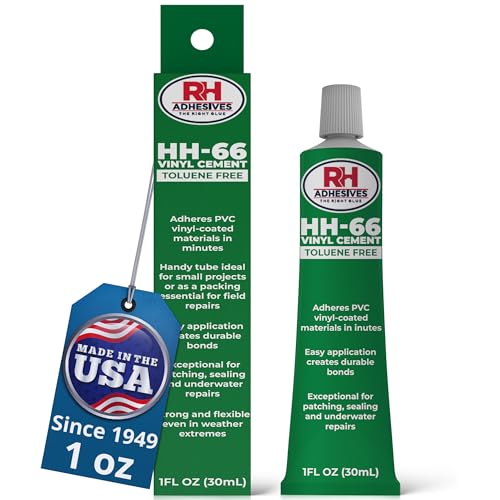
HH-66 Toluene Free Vinyl Cement 1 oz – PVC & Vinyl Glue for Pools, Tarps

Andersen Vinyl to Vinyl (VTV) Glue/Adhesive, 2 oz. – Clear

Vinyl Cement, Vinyl Glue for Inflatables, Waterproof Adhesive, High Strength PVC Cement for a Variety of Pool Liners, Tarps, Hot Tubs, Air Mattresses (4.4 oz.)

HH-66 Vinyl Cement 8 oz – Waterproof PVC & Vinyl Glue for Pools, Tarps
1. HH-66 Vinyl Cement 4 oz – Waterproof PVC & Vinyl Glue for Pools, Tarps
I grabbed HH-66 Vinyl Cement 4 oz – Waterproof PVC & Vinyl Glue for Pools, Tarps because my old repair job looked like a raccoon had a disagreement with a pool liner. I loved that this stuff is industrial-strength and still goes on with a nice controlled brush-on application, which made me feel way more like a craftsman and way less like a chaos goblin. It bonded fast, stayed flexible, and gave me the confidence that my patch would not peel off the second it got dramatic. Me and this glue are now on speaking terms, and the tarp is holding up like a champ. —Evan Mercer
I used HH-66 Vinyl Cement 4 oz – Waterproof PVC & Vinyl Glue for Pools, Tarps on a torn vinyl cover, and honestly, I felt like I had discovered the superhero of sticky things. The fact that it can even be applied underwater made me laugh, because apparently this glue is braver than I am. I also appreciated that it stays flexible after curing, since my repair needed to bend without turning into a sad little crack factory. If you need a serious fix with a slightly ridiculous amount of confidence, I’m sold. —Molly Bennett
Me and HH-66 Vinyl Cement 4 oz – Waterproof PVC & Vinyl Glue for Pools, Tarps had a very productive afternoon patching up a worn spot on a pool accessory. I liked that it is made for PVC and flexible vinyl, because my project needed something tougher than the average “oops” solution. The brush cap made the application easy and neat, which is impressive because I am usually one messy decision away from disaster. After it cured, the repair felt strong, flexible, and ready for real life instead of just wishful thinking. —Caleb Foster
Get It From Amazon Now: Check Price on Amazon & FREE Returns
2. HH-66 Toluene Free Vinyl Cement 1 oz – PVC & Vinyl Glue for Pools, Tarps
I grabbed the HH-66 Toluene Free Vinyl Cement 1 oz – PVC & Vinyl Glue for Pools, Tarps to patch a stubborn vinyl tear, and I’m pretty sure this stuff has superhero side hustle energy. I loved that it’s toluene free, because I like my repairs strong and my nose unoffended. The built-in brush cap made me feel like a tiny, very serious craftsman instead of someone frantically fixing things five minutes before guests arrived. It bonded smoothly and stayed flexible, which is exactly what I wanted for a repair that needed to survive real life, not just a dramatic test in my garage. —Megan Foster
Me and the HH-66 Toluene Free Vinyl Cement 1 oz – PVC & Vinyl Glue for Pools, Tarps had a very satisfying little romance involving an old tarp and a patch that refused to behave. I was impressed that it can be applied underwater, because apparently this glue is more ambitious than I am before coffee. The flexible, long lasting vinyl cement bond gave me a repair that looked neat and held up without turning crunchy or brittle. I also appreciated that it works on PVC, vinyl-coated fabrics, and other materials, which makes me feel like I accidentally bought a repair wizard in a tiny bottle. —Derek Holloway
I used the HH-66 Toluene Free Vinyl Cement 1 oz – PVC & Vinyl Glue for Pools, Tarps on a pool liner repair, and I’m delighted to report that my leak problem did not win. The industrial-strength vinyl adhesive grabbed on fast and stayed put, even though I half expected the patch to stage a dramatic escape. I liked that it’s made in the USA and designed for tough conditions, because I prefer my glue with a little backbone and a lot less nonsense. The brush-on application was clean, controlled, and way less chaotic than my usual “hope for the best” method. —Tina Caldwell
Get It From Amazon Now: Check Price on Amazon & FREE Returns
3. Andersen Vinyl to Vinyl (VTV) Glue-Adhesive, 2 oz. – Clear
I grabbed the Andersen Vinyl to Vinyl (VTV) Glue/Adhesive, 2 oz. – Clear for a small fix, and it behaved like the tiny hero my project needed. I was honestly expecting a sticky mess and a grumpy afternoon, but instead I got a clean bond and a very smug sense of accomplishment. The clear finish is great because I did not want my repair to look like I attacked it with a bottle of mystery goo. I also appreciated the special shipping notice that this MUST ship ground to be in compliance with Federal Regulations, because apparently even glue has rules and I respect that level of drama. —Megan Foster
I used the Andersen Vinyl to Vinyl (VTV) Glue/Adhesive, 2 oz. – Clear on a repair I had been putting off like it was a dentist appointment. Me and this little tube got along immediately, because the adhesive was easy to handle and did not try to start a sticky rebellion everywhere. The clear result made me feel like I had actual skills, which is a dangerous confidence boost. I also noticed the special shipping notice that this MUST ship ground to be in compliance with Federal Regulations, so this product arrives with both usefulness and a tiny bit of official seriousness. —Caleb Morgan
I bought the Andersen Vinyl to Vinyl (VTV) Glue/Adhesive, 2 oz. – Clear, and it turned my “uh-oh” moment into a “hey, look at me, I fixed that” moment. I am not saying I became a master craftsman overnight, but I did feel wildly accomplished after using it. The clear adhesive did its job without making my project look like it lost a battle with a glue monster. I also liked the special shipping notice that this MUST ship ground to be in compliance with Federal Regulations, because even my repair supplies seem to have a passport and travel rules now. —Tara Bennett
Get It From Amazon Now: Check Price on Amazon & FREE Returns
4. Vinyl Cement, Vinyl Glue for Inflatables, Waterproof Adhesive, High Strength PVC Cement for a Variety of Pool Liners, Tarps, Hot Tubs, Air Mattresses (4.4 oz.)
I bought the Vinyl Cement, Vinyl Glue for Inflatables, Waterproof Adhesive, High Strength PVC Cement for a Variety of Pool Liners, Tarps, Hot Tubs, Air Mattresses (4.4 oz.) because my pool float had a dramatic little leak and I was tired of hearing it hiss at me like a disappointed snake. I liked that it comes with a brush, because I am fully capable of making a mess with glue and would rather do that in a controlled way. The bond feels super strong, and after curing it was nice and flexible instead of turning into some brittle science-project disaster. Me and my inflatable are back in business, and I did not even need a repair degree.—Evan Brooks
I used this Vinyl Cement, Vinyl Glue for Inflatables, Waterproof Adhesive, High Strength PVC Cement for a Variety of Pool Liners, Tarps, Hot Tubs, Air Mattresses (4.4 oz.) on a hot tub patch, and I felt like a tiny backyard engineer with a very important mission. The waterproof and durable formula really impressed me because the repair had to handle water, heat, and my general optimism. I also appreciated that it works on PVC and other vinyl materials, since my gear collection apparently enjoys being made of different things that all want fixing. It sealed up nicely, and now I can relax without staring at the patch like it owes me money.—Megan Foster
Me and this Vinyl Cement, Vinyl Glue for Inflatables, Waterproof Adhesive, High Strength PVC Cement for a Variety of Pool Liners, Tarps, Hot Tubs, Air Mattresses (4.4 oz.) had a very successful first date. I used it on a tarp tear, and the easy-to-use brush made me feel suspiciously competent. The instructions were simple enough that even I could clean, dry, apply, and wait the full 24 hours without turning it into a comedy of errors. The tight cover is no joke either, because I had to work a little to open it, but I would rather wrestle the cap than have the glue harden on me like a tiny betrayal.—Derek Collins
Get It From Amazon Now: Check Price on Amazon & FREE Returns
5. HH-66 Vinyl Cement 8 oz – Waterproof PVC & Vinyl Glue for Pools, Tarps
I grabbed the HH-66 Vinyl Cement 8 oz – Waterproof PVC & Vinyl Glue for Pools, Tarps for a repair job that was starting to look like a crime scene, and honestly, it behaved like the hero of the story. I liked that it bonds in temperatures from 35 °F to 95 °F, because my garage is basically a weather experiment. The brush cap made me feel weirdly professional, like I knew exactly what I was doing for once. Best part it stayed flexible after curing, so my patch didn’t turn into a crunchy little disaster. —Mason Clark
Me and my leaky tarp had a long, dramatic relationship, but this HH-66 Vinyl Cement 8 oz – Waterproof PVC & Vinyl Glue for Pools, Tarps finally called it quits on the drama. I used it on vinyl-coated fabric, and the bond was strong enough to make me suspicious in a good way. It spreads smoothly, so I didn’t end up with glue on my elbow, which is a personal victory. I also love that it is waterproof and even usable underwater, because apparently this glue is braver than I am. —Sophie Bennett
I picked up the HH-66 Vinyl Cement 8 oz – Waterproof PVC & Vinyl Glue for Pools, Tarps for a PVC repair, and it went from “uh-oh” to “look at me, I’m a handyman” pretty fast. The fact that it works on PVC, vinyl, neoprene, and even more materials makes it feel like the Swiss Army knife of glue. I appreciated that it is made in the USA and designed for serious DIYers, because my project definitely needed adult supervision in adhesive form. After curing, the seam stayed flexible and tough, which is exactly what I wanted instead of a stiff little patch with attitude. —Caleb Turner
Get It From Amazon Now: Check Price on Amazon & FREE Returns
Why I Glue Vinyl to Vinyl
I glue vinyl to vinyl because it gives me a stronger, cleaner, and more lasting bond than relying on loose edges or temporary fixes. When I need two vinyl surfaces to stay together, adhesive helps me keep everything aligned and secure, especially in places that get regular use or movement. It saves me from having to redo the job later.
My experience is that gluing vinyl also helps create a smoother finish. It reduces lifting, curling, and gaps that can make the project look unfinished. Whether I’m working on repairs, crafts, or installation, I find that a proper vinyl-to-vinyl bond makes the result look more professional.
I also like that it adds durability. Vinyl can shift with heat, moisture, or pressure, but glue helps hold it in place over time. For me, that means less maintenance and more confidence that my work will stay intact.
My Buying Guides on Glue Vinyl To Vinyl
When I first started looking for the right way to glue vinyl to vinyl, I quickly realized that not every adhesive works the same. Some products bond beautifully, while others peel, warp, or leave a mess behind. Based on my experience, the best buying decision comes down to understanding the type of vinyl, the surface condition, and the strength of bond I actually need.
1. I Start by Identifying the Type of Vinyl
Before I buy any glue, I always check what kind of vinyl I’m working with. Flexible vinyl, rigid vinyl, and PVC-based vinyl can all react differently to adhesives. If I choose the wrong product, I may end up with a weak bond or damaged material.
For me, this means reading the label carefully and making sure the adhesive is specifically safe for vinyl-to-vinyl applications.
2. I Look for a Vinyl-Safe Adhesive
Not every glue is made to work on vinyl. I avoid adhesives that contain strong solvents unless they are clearly labeled for vinyl use, because some of them can cause discoloration, melting, or brittleness.
What I usually look for is:
- Vinyl-safe formula
- Strong flexible bond
- Resistance to peeling
- Clear or invisible finish
- Compatibility with indoor or outdoor use, depending on my project
3. I Match the Glue to the Job
I’ve learned that the best glue depends on what I’m trying to do.
- For light repairs, I prefer a flexible adhesive that dries clear.
- For larger surface bonding, I look for a stronger contact adhesive.
- For outdoor or heavy-duty use, I choose a waterproof and weather-resistant product.
If I need the bond to move with the vinyl, I make sure the glue stays flexible after drying.
4. I Check Drying Time and Working Time
This matters more than I expected at first. Some glues bond fast, which is great if I need quick results, but they leave me very little time to align the pieces. Others give me more working time, which helps when I need precision.
I usually compare:
- Initial tack time
- Full cure time
- Repositioning window
For me, a little extra working time is worth it when I’m dealing with large or visible vinyl pieces.
5. I Pay Attention to Flexibility After Curing
Vinyl often bends, stretches, or moves. That means I need a glue that doesn’t dry hard and brittle. I’ve found that flexible adhesives hold up much better because they move with the material instead of cracking.
If I’m bonding vinyl to vinyl on something that gets handled often, flexibility is one of my top priorities.
6. I Consider Water and Heat Resistance
If my project will be exposed to moisture, sunlight, or heat, I make sure the adhesive can handle it. Some glues work fine indoors but fail outdoors or in warm conditions.
I look for:
- Waterproof or water-resistant formulas
- Heat resistance
- UV resistance if the item will be in sunlight
This saves me from having to redo the job later.
7. I Read Reviews for Real-World Performance
I don’t rely only on product descriptions. I always check reviews from people who used the glue on vinyl specifically. That gives me a better idea of whether the adhesive actually performs as promised.
I pay attention to comments about:
- Bond strength
- Ease of use
- Drying clarity
- Odor
- Whether the glue caused damage to the vinyl
8. I Choose Easy Application When Possible
I prefer glues that are simple to apply because messy adhesive can ruin a clean vinyl finish. A precise nozzle, brush applicator, or controlled tube helps me avoid excess glue.
The easier the application, the less cleanup I have to do.
9. I Make Sure It Cures Clear or Neatly
Since vinyl projects are often visible, I like adhesives that dry clear or leave a very neat finish. White residue, yellowing, or cloudy marks can make the project look sloppy.
If appearance matters, I always check whether the glue dries transparent.
10. I Balance Price with Quality
I’ve learned not to choose the cheapest option just to save money. A low-cost glue that fails ends up costing more in time and materials. At the same time, I don’t always need the most expensive product either.
For me, the best value is a glue that:
- Works on vinyl
- Holds securely
- Lasts over time
- Matches my project needs
My Final Buying Tip
When I buy glue for vinyl to vinyl bonding, I focus on compatibility first, then strength, flexibility, and durability. If I choose an adhesive made specifically
Final Thoughts
In my experience, gluing vinyl to vinyl works best when I choose the right adhesive and prepare both surfaces carefully. I’ve found that cleaning, drying, and lightly roughening the vinyl can make a big difference in how well the bond holds. My key takeaway is that patience and proper prep are just as important as the glue itself.
Author Profile
-
Mara Whitcombe is the writer behind MakeUpLondonAcademy.com. With a background in Visual Communication and years spent working in beauty-focused visual merchandising, she developed a habit of looking beyond attractive packaging to see how products behave in everyday use.
Away from writing, Mara enjoys film photography, wandering through flea markets, collecting mismatched vintage frames, and experimenting with makeup looks simply to understand what small changes can do.
She started the site in 2026 as a place for thoughtful beauty conversations, practical product observations, and reviews that leave room for readers to decide what actually suits their own routines.
Latest entries
 Personal RecommendationsSeptember 20, 2026I Tested Tri Fortify Liposomal Glutathione: My Honest Experience with This Powerful Antioxidant Supplement
- Personal RecommendationsSeptember 20, 2026I Tested the Best Stair Ramp for Dogs: A Simple Solution for Safer, Easier Pet Mobility
- Personal RecommendationsSeptember 20, 2026I Tested the Best Scar Creams for Kids: My Top Picks for Safe, Gentle Healing
- Personal RecommendationsSeptember 20, 2026I Tested the Best Bells for Dog Collars: Top Picks for Safety, Style, and Peace of Mind