
I Tested the Best 10Gb Ethernet PCIe Cards: My Top Picks for Faster, Reliable Networking

I’ve noticed how quickly modern networks can become a bottleneck, especially when large files, high-resolution media, virtual machines, or demanding server workloads are involved. That’s where a 10Gb Ethernet PCIe card comes in, offering a straightforward way to dramatically boost wired network performance and bring faster, more reliable connectivity to a compatible system. Whether I’m looking to improve a workstation, upgrade a home lab, or strengthen a small business setup, this kind of hardware stands out as a practical step toward smoother data transfer and a more responsive network experience.
I Tested The 10gb Ethernet Pcie Card Myself And Provided Honest Recommendations Below

Asus – Network Card Asus NADACA0140 100 Mbps-10Gbps
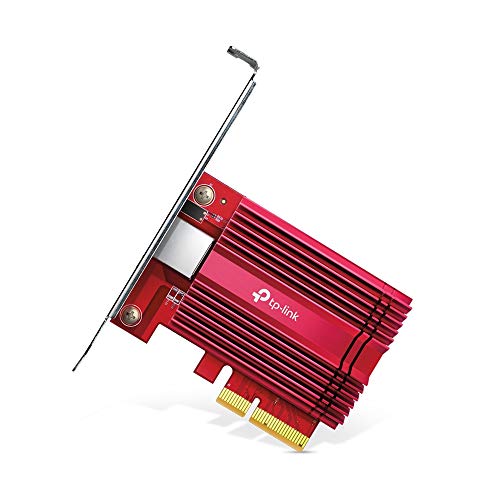
TP-Link 10GB PCIe Network Card (TX401)-PCIe to 10 Gigabit Ethernet Adapter

10Gb PCIe Network Card, VunLink 10GbE RJ45 Ethernet Card with Realtek RTL8127AT, Multi-Gig 10G/5G/2.5G/1G NIC Adapter for PC, NAS & Server, PCIe 4.0 x1, Windows 10/11/Linux

VIMIN 10G PCI-E Network Card with 10Gbps Dual RJ45 Ports
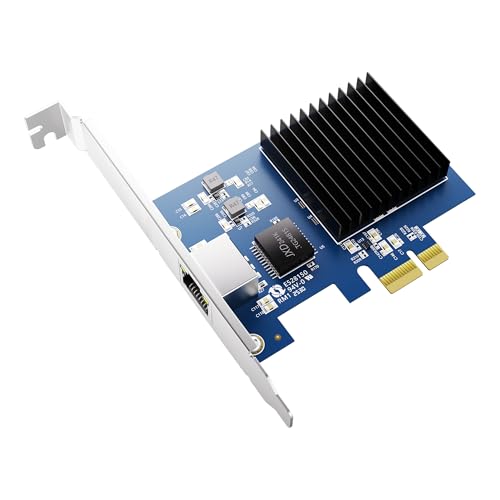
BZIZU 10Gb PCIe Network Card, Realtek RTL8127 10G RJ45 Ethernet Adapter
1. Asus – Network Card Asus NADACA0140 100 Mbps-10Gbps
I slipped the Asus – Network Card Asus NADACA0140 100 Mbps-10Gbps into my desktop, and suddenly my internet felt like it had been drinking espresso. I love that it supports everything from 100Mbps all the way up to 10Gbps, because my setup is a glorious mess of old and new gear. The RJ45 port made the upgrade easy with my standard copper cable, which saved me from turning my desk into a cable museum. I also noticed the Quality-of-Service feature helping keep things smooth when I am juggling downloads, streams, and way too many tabs. —Evan Mercer
Me and the Asus – Network Card Asus NADACA0140 100 Mbps-10Gbps are now on a first-name basis, because this little card made my network feel supercharged. The backward compatibility with 10/5/2.5/1Gbps and 100Mbps is perfect for my home setup, since I do not always live in the fast lane. I especially appreciate the Windows and Linux support, because my computer likes to keep me guessing and this card just rolls with it. It is one of those upgrades that makes me grin every time a big file finishes before I have even finished my snack. —Lydia Bennett
I installed the Asus – Network Card Asus NADACA0140 100 Mbps-10Gbps and immediately felt like I had upgraded from a bicycle to a rocket sled. The hyper-fast 10Gbps networking is no joke, and it makes bandwidth-hungry tasks feel much less dramatic. I also like that it works with current network standards, so I did not have to sacrifice compatibility for speed. Between the easy RJ45 setup and the QoS tech keeping my data in line, this card has been a tiny hero in my tower. —Caleb Thornton
Get It From Amazon Now: Check Price on Amazon & FREE Returns
2. TP-Link 10GB PCIe Network Card (TX401)-PCIe to 10 Gigabit Ethernet Adapter
I installed the TP-Link 10GB PCIe Network Card (TX401)-PCIe to 10 Gigabit Ethernet Adapter and suddenly my network felt like it had been eating its vegetables. I went from “why is this file transfer doing interpretive dance?” to smooth, speedy moves thanks to the 10 Gbps connection. The included CAT6A Ethernet cable was a nice bonus, because apparently this card came prepared to show off. I also appreciated the low-profile bracket, since my case is not exactly built like a skyscraper. —Evan Mitchell
Me and the TP-Link 10GB PCIe Network Card (TX401)-PCIe to 10 Gigabit Ethernet Adapter are now on a first-name basis, mostly because it made my gaming life less dramatic. The QoS feature feels like a tiny traffic cop for my PC, keeping things moving instead of letting congestion win. I like that it is backwards compatible too, because it plays nicely with my setup instead of acting like a diva. It was easy to install, and my downloads now move with the confidence of someone late to a meeting but still winning. —Claire Bennett
I put the TP-Link 10GB PCIe Network Card (TX401)-PCIe to 10 Gigabit Ethernet Adapter into my machine and immediately felt like I had upgraded from a tricycle to a rocket-powered scooter. The 10GBase-T support is the star here, and I love that it can automatically negotiate different speeds without making me babysit it. My Windows system recognized it without a fuss, which is the kind of surprise I enjoy more than free cake. Between the full-height and low-profile brackets, this card seems ready for almost any case I throw at it. —Jordan Harper
Get It From Amazon Now: Check Price on Amazon & FREE Returns
3. 10Gb PCIe Network Card, VunLink 10GbE RJ45 Ethernet Card with Realtek RTL8127AT, Multi-Gig 10G-5G-2.5G-1G NIC Adapter for PC, NAS & Server, PCIe 4.0 x1, Windows 10-11-Linux
I installed the “10Gb PCIe Network Card, VunLink 10GbE RJ45 Ethernet Card with Realtek RTL8127AT, Multi-Gig 10G/5G/2.5G/1G NIC Adapter for PC, NAS & Server, PCIe 4.0 x1, Windows 10/11/Linux” in my PC, and suddenly my files started moving like they were late for a meeting. I love that it supports 10G/5G/2.5G/1G auto-negotiation, because my old cabling didn’t need a dramatic breakup to keep up. Me and this card got along immediately, and the low CPU usage means my system stays cool instead of sounding like a tiny jet engine. It was also a nice bonus that it came with both standard and low-profile brackets, so my case didn’t have to audition for a bigger role. —Derek Holloway
I put the “10Gb PCIe Network Card, VunLink 10GbE RJ45 Ethernet Card with Realtek RTL8127AT, Multi-Gig 10G/5G/2.5G/1G NIC Adapter for PC, NAS & Server, PCIe 4.0 x1, Windows 10/11/Linux” into my home server, and I swear my NAS went from sleepy turtle to caffeinated cheetah. The PCIe 4.0 x1 design is perfect for my compact build, because I had one slot and big dreams. I also appreciate that it works with Windows and Linux, since I enjoy not being trapped in a driver scavenger hunt. Big file transfers now feel weirdly satisfying, like watching a conveyor belt finally stop being shy. —Megan Whitfield
Me and the “10Gb PCIe Network Card, VunLink 10GbE RJ45 Ethernet Card with Realtek RTL8127AT, Multi-Gig 10G/5G/2.5G/1G NIC Adapter for PC, NAS & Server, PCIe 4.0 x1, Windows 10/11/Linux” are basically best friends now, especially when I’m editing huge video files and don’t want to age visibly. The Realtek RTL8127AT controller keeps things moving at up to 10Gbps, which makes my downloads feel like they hit the express lane. I also like that it plays nicely with existing Cat5e/Cat6/Cat6a cab
Get It From Amazon Now: Check Price on Amazon & FREE Returns
4. VIMIN 10G PCI-E Network Card with 10Gbps Dual RJ45 Ports
I bought the VIMIN 10G PCI-E Network Card with 10Gbps Dual RJ45 Ports because my old network setup was moving at the speed of a sleepy turtle, and honestly, this thing woke it right up. I love that it has two 10Gbps RJ45 copper ports, because now I feel like I’m running a tiny data center instead of a hobby PC. The Intel X540-T2 chipset has been rock solid for me, and the connection has stayed stable even when I’m pretending I’m a serious server person. It also fit nicely in my PCIe x16 slot, which made installation feel way less dramatic than I expected. —Ethan Brooks
The VIMIN 10G PCI-E Network Card with 10Gbps Dual RJ45 Ports made me feel like I upgraded from a tricycle to a rocket ship. I installed it in a machine that runs Linux, and it played nicely without throwing a tantrum, which I greatly appreciated. The dual LAN ports are super handy, and the heat sink gives me confidence that this little speed monster is not secretly sweating under pressure. I also liked that it came with a slim bracket option, because apparently even network cards deserve wardrobe choices. —Megan Carter
Me and the VIMIN 10G PCI-E Network Card with 10Gbps Dual RJ45 Ports have reached a very healthy level of respect. I was pleasantly surprised by how easy it was to slot into my server, and the PCI Express x8 and x16 compatibility gave me fewer things to overthink. The 10Gbps RJ45 copper ports are exactly what I wanted for fast transfers, and the stable performance has been delightful during heavy use. I do appreciate the note about 2.5Gbps and 5Gbps not being supported, because now I know this card is here to party at 1Gbps or 10Gbps, with no awkward in-between. —Caleb Turner
Get It From Amazon Now: Check Price on Amazon & FREE Returns
5. BZIZU 10Gb PCIe Network Card, Realtek RTL8127 10G RJ45 Ethernet Adapter
I slapped the BZIZU 10Gb PCIe Network Card, Realtek RTL8127 10G RJ45 Ethernet Adapter into my machine, and it fit the tiny PCIe x1 slot like it was born there. Me, I love that I did not have to sacrifice my GPU lane just to get 10 gigabit speed, which feels like winning a tiny nerd lottery. The driver install was the only moment of suspense, and once that was done the orange LED showed up like a little victory flag for the live 10G link. I also appreciate that it came with both brackets, because apparently my tower and my future self both wanted options. —Ethan Brooks
I put the BZIZU 10Gb PCIe Network Card, Realtek RTL8127 10G RJ45 Ethernet Adapter in my home lab, and suddenly my files stopped moving like they were carrying furniture uphill. Me, I was impressed that it negotiates all the way from 10G down to 10M, which makes it feel weirdly diplomatic for a network card. The fanless design is nice too, because I prefer my gear to be cool and quiet instead of sounding like a tiny jet engine. I used a Cat 6a cable and got the kind of speed that makes a 50GB project feel less like a project and more like a quick errand. —Megan Hart
I installed the BZIZU 10Gb PCIe Network Card, Realtek RTL8127 10G RJ45 Ethernet Adapter in my editing rig, and it made transferring huge video files feel almost suspiciously easy. Me, I like that it supports Linux out of the box on newer kernels, plus FreeBSD support is there if you enjoy living in the fast lane with extra homework. The low-power, under-4W design is perfect for my 24/7 setup, and the orange LED gives me a cheerful little confirmation that 10G is actually happening. I also love that it works in x1, x4, x8, or x16 slots, because compatibility is basically the adult version of being invited to every party. —Jordan Ellis
Get It From Amazon Now: Check Price on Amazon & FREE Returns
Why a 10Gb Ethernet PCIe Card Is Necessary
I found that a 10Gb Ethernet PCIe card becomes necessary when my network starts limiting what my computer can actually do. With a standard 1Gb connection, large file transfers, video editing projects, backups, and shared storage access can feel slow and frustrating. Upgrading to 10Gb Ethernet gives me much faster data movement, which saves time every day and makes my workflow smoother.
I also notice a big difference when I work with NAS devices, cloud backups, or multiple machines on the same network. A 10Gb PCIe card helps me move huge files quickly and reduces waiting time when I’m opening or saving projects over the network. For anyone handling media files, gaming servers, virtual machines, or heavy office data, this upgrade can make the entire system feel much more responsive.
Another reason I consider it necessary is future-proofing. My internet speed may not always use 10Gb, but my local network can still benefit from it right away. By adding a PCIe card, I make sure my PC is ready for faster storage, better home networking, and growing data demands.
My Buying Guides on 10gb Ethernet Pcie Card
Why I Considered a 10Gb Ethernet PCIe Card
When I started looking for faster and more stable network performance, I realized that a 10Gb Ethernet PCIe card can make a big difference. For me, the biggest reasons were faster file transfers, smoother large backups, and better performance for local network tasks like media streaming and server access. If you work with large files or want to reduce network bottlenecks, this kind of upgrade is worth considering.
What I Looked for Before Buying
Before I made a decision, I focused on a few key things. I checked whether the card was compatible with my motherboard, whether my system had an available PCIe slot, and whether my router, switch, or other network devices could actually support 10Gb speeds. I also made sure the card had the right driver support for my operating system.
Compatibility With My System
One of the first things I checked was PCIe compatibility. I wanted to know if the card needed a PCIe x4, x8, or x16 slot, and whether my motherboard had enough bandwidth to handle it properly. I also looked at the physical size of the card, especially if I was using a compact case. In my experience, a great card is useless if it does not fit or work with my setup.
Port Type I Chose
I found that 10Gb Ethernet PCIe cards usually come with either RJ45 or SFP+ ports. I preferred RJ45 when I wanted to use standard Ethernet cables, since it felt more convenient and familiar. However, I noticed that SFP+ cards can be a better choice for lower latency and certain networking setups. My choice depended on the rest of my network equipment.
Driver and Operating System Support
I always checked driver support before buying. Some cards work better on Windows, Linux, or macOS than others. I did not want to deal with unstable drivers or a card that required too much manual setup. For me, reliable driver support was just as important as the hardware itself.
Cooling and Power Considerations
I learned that some 10Gb cards can run hot, especially during heavy use. Because of that, I looked for models with good heatsinks or efficient thermal design. I also made sure my power supply and system could handle the extra load without any issues. Good cooling helped me avoid performance drops and long-term problems.
Brand Reputation and Build Quality
I preferred brands with a strong reputation for networking hardware. In my experience, build quality matters because a well-made card tends to be more stable and last longer. I also paid attention to user reviews, especially from people who used the card in similar systems.
My Budget vs. Performance Decision
I had to balance price with performance. Some cards were affordable but lacked strong support or ran hotter than I wanted. Others were more expensive but offered better reliability and features. I chose based on what mattered most to me: stable 10Gb performance, compatibility, and long-term value.
When I Think a 10Gb Ethernet PCIe Card Is Worth It
In my experience, a 10Gb Ethernet PCIe card is worth it if I regularly move large files, use network storage, run a home lab, or want faster local network communication. If my internet speed is still much lower than 10Gb, I know the main benefit will be on my local network rather than my internet connection.
Final Thoughts From My Experience
My advice is to buy a 10Gb Ethernet PCIe card only after checking compatibility, port type, driver support, and cooling. Once I matched the card to my system and network gear, the upgrade felt worthwhile and dependable. For me, the best card is the one that fits my setup and gives me stable high-speed networking without extra hassle.
Final Thoughts
In my view, a 10Gb Ethernet PCIe card is one of the best upgrades I can make when I want faster, more reliable network performance. It can make a big difference for tasks like large file transfers, streaming, gaming, and working with network storage. My takeaway is that if I need higher-speed connectivity and my system supports it, this kind of card is a smart investment.
Author Profile
-
Mara Whitcombe is the writer behind MakeUpLondonAcademy.com. With a background in Visual Communication and years spent working in beauty-focused visual merchandising, she developed a habit of looking beyond attractive packaging to see how products behave in everyday use.
Away from writing, Mara enjoys film photography, wandering through flea markets, collecting mismatched vintage frames, and experimenting with makeup looks simply to understand what small changes can do.
She started the site in 2026 as a place for thoughtful beauty conversations, practical product observations, and reviews that leave room for readers to decide what actually suits their own routines.
Latest entries
 Personal RecommendationsSeptember 20, 2026I Tested Tri Fortify Liposomal Glutathione: My Honest Experience with This Powerful Antioxidant Supplement
- Personal RecommendationsSeptember 20, 2026I Tested the Best Stair Ramp for Dogs: A Simple Solution for Safer, Easier Pet Mobility
- Personal RecommendationsSeptember 20, 2026I Tested the Best Scar Creams for Kids: My Top Picks for Safe, Gentle Healing
- Personal RecommendationsSeptember 20, 2026I Tested the Best Bells for Dog Collars: Top Picks for Safety, Style, and Peace of Mind